5.0
海拉波利斯及帕穆卡萊的石灰華:安塔利亞的日遊
Travertines Of Pamukkale
從$57.65
5+ experiences in 棉花堡, official tickets and instant confirmation.
The more you save, the smarter your picks. We line up West End shows, hidden gems and top-rated experiences from what you love, ready to book in one go.
官方場地門票
直接來自場地
安全付款
由 Stripe 提供
退款保證
如果您的活動被取消
獨家折扣
tickadoo+ 會員免費
棉花堡 指南
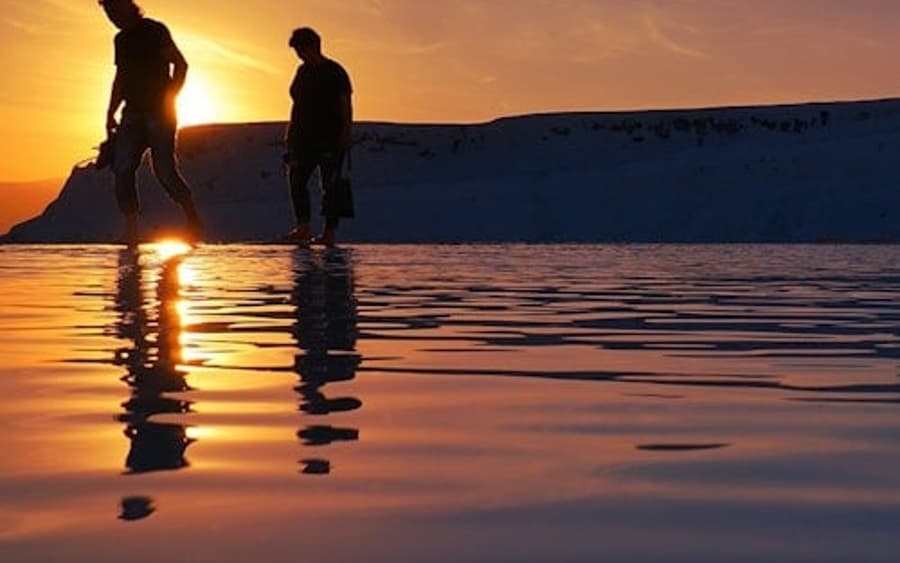
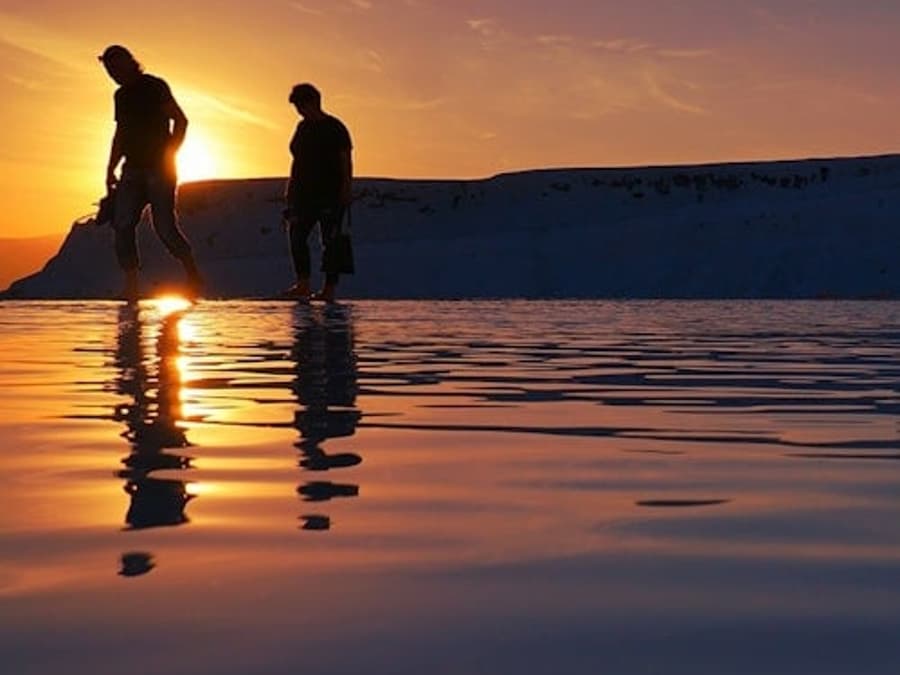
Few places in Turkey prepare you for the sight of Pamukkale. The name translates as Cotton Castle in Turkish, and the description earns its poetry: a hillside of blinding white travertine terraces, formed over millennia as calcium-rich thermal waters spilled down the slope and solidified into shallow, cloud-coloured pools. It sits in the Denizli province of western Anatolia, inland from the Aegean coast, and the landscape it produces is unlike anything else on the geological map of the country.
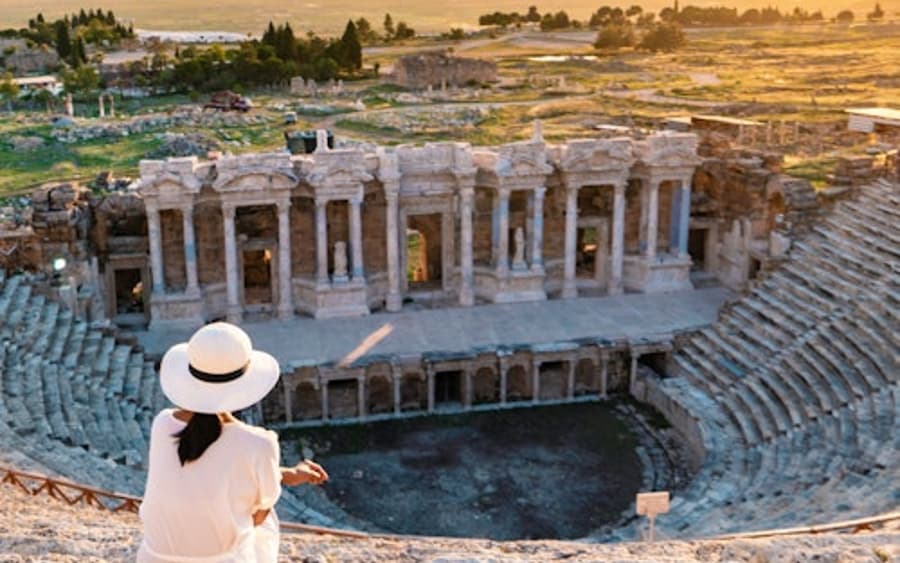
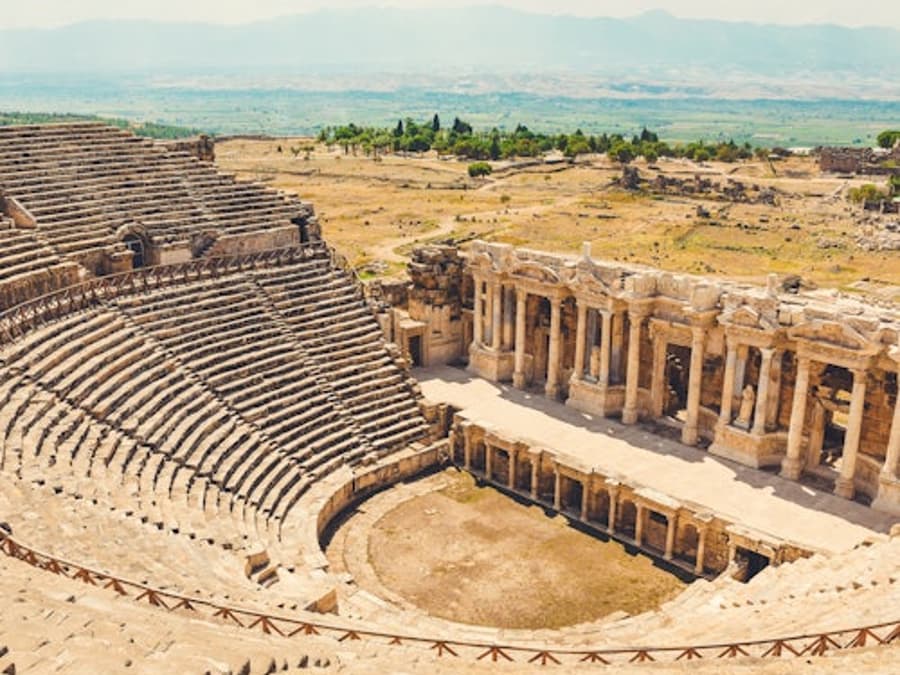
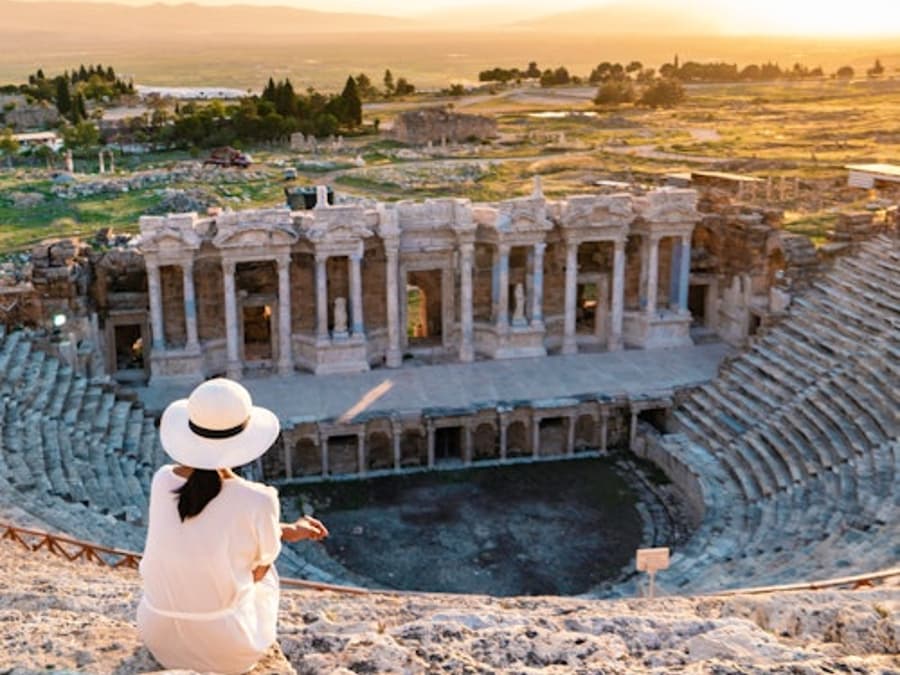
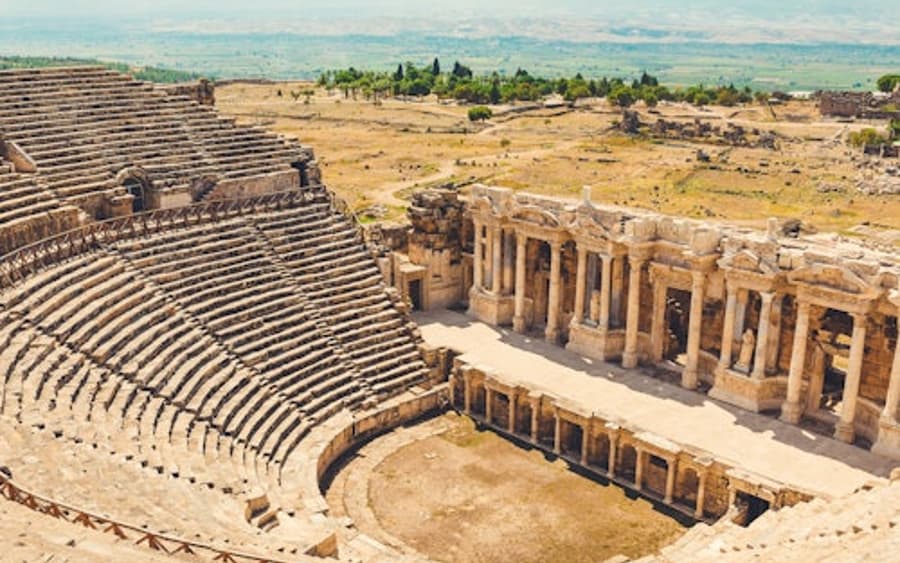
The travertines are only part of the story. Directly above them, the ancient Greco-Roman city of Hierapolis occupies the plateau, and the two sites are inseparable in practice and in history. Hierapolis was founded around the second century BC, grew prosperous under Roman rule, and drew visitors to its thermal springs for much the same reasons people arrive today. The ruins that remain are substantial: a theatre in exceptional condition, a vast necropolis that stretches along the northern edge of the site, the remnants of temples and colonnaded streets, and the Antique Pool, where swimmers still move through warm mineral water above a floor scattered with ancient column fragments. The combination of working archaeology and active geology is what gives Pamukkale its particular character, and why it holds UNESCO World Heritage status.
來自 tickadoo 部落格
精心挑選的旅行指南、演出評論和行程 — 全部免費,由我們的編輯團隊撰寫。